Heidi Holmes
Heidi Holmes is a Melbourne-based visual artist working across installation, drawing, sculpture and performance. She holds an MFA from Emily Carr University of Art + Design (Vancouver, CA) and a BFA (Honours) from the Victorian College of the Arts. Holmes has exhibited extensively in Australia and internationally, including presentations at YYZ Artist Outlet (Toronto, CA), Root Division (San Francisco, US), Counihan Gallery, Margaret Lawrence Gallery, TCB Art Inc, West Space, and Bus Projects (Melbourne).
Recent accomplishments include securing a scholarship to join The Power Plant's Emerging Artist Collective (Toronto, CA) and a full scholarship to attend the European Cultural Academy’s Contemporary Art Course (Venice, IT). Interviews and writing about Holmes’ practice have been published in The Age, Un Magazine, The Wheeler Centre, and in 2021, Holmes’ work, ‘I Am Woman, Hear Me Roar as I Push out this Science Baby’ (2016) was the impetus for Angela Balzano’s book, ‘To Do Away with Family, From Abortion to post-human Relationships’, published by Meltemi Press (IT).
Holmes has been a resident of the Shakespeare Grove Artist Studios since July 2026.
Artist Statement
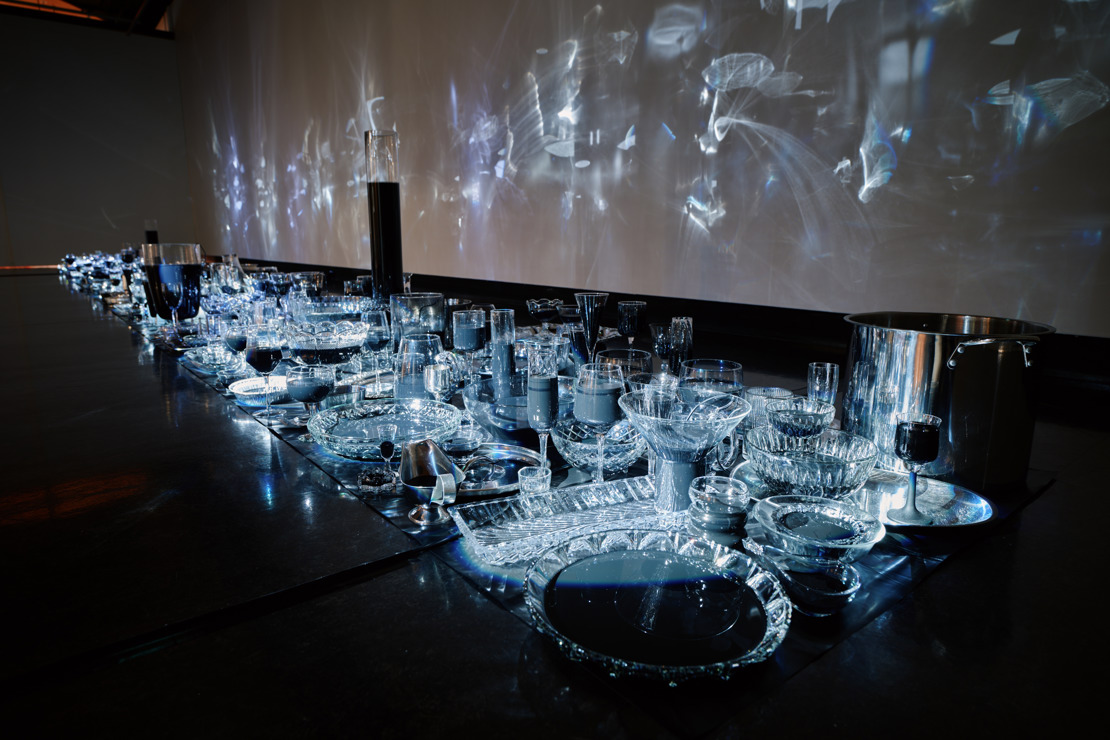
My practice begins with symptoms that originate within the body and are translated into material form. These symptom-materials are developed into installations that encompass sculpture, reconstruction, durational action, and atmosphere, drawing on domestic space, medicine, ageing, and feminist theory. My current research centres on Menopause, inclusive of Perimenopause, Postmenopause, and hormone-withdrawal Menopause, as both a physiological condition and a culturally mediated experience.
Recent work has explored material processes such as evaporation, repetition, and containment, examining the tension between the disciplined body and its failure to remain controlled, hygienic, and socially acceptable. Forthcoming exhibitions extend this enquiry through sensory environments: boiling substances, unstable lighting, sound, and durational performance. These elements foreground cycles of regulation and excess, positioning the Menopausal body as both subject and site, resisting invisibility while exposing the labour required to maintain it.