Caring for the Mirka Mora Children’s Mural

Detailed image of the Mirka Mora Children's Mural.
The conservation of Mirka Mora’s Children’s Mural at St Kilda Library offers a rare insight into both the physical life of a large-scale community artwork and the care required to ensure its longevity. Created in 1980 in collaboration with local school children during the St Kilda Festival, the mural has been a much-loved feature of the library for more than four decades. Its recent removal for conservation, the first since its installation, provided an important opportunity to stabilise the work and better understand its material history.
Over time, the mural had experienced significant deterioration due to its environment. Prolonged exposure to light had caused noticeable fading, particularly in the upper sections, while fluctuations in temperature and humidity contributed to cracking in both the paint layers and the timber panels. Surface grime, insect accretions, and staining, likely linked to past moisture exposure, obscured the vibrancy of the original composition. Paint instability was evident, with lifting and flaking occurring across both the front (recto) and back (verso) surfaces.
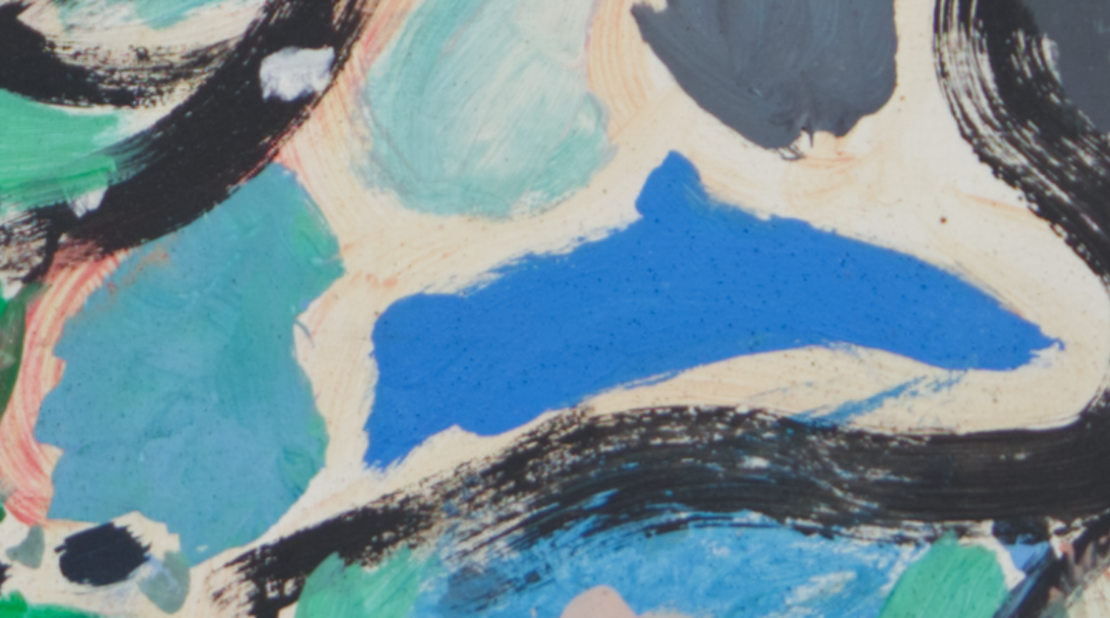
Detailed image of panel 3 before treatment illustrating the surface grime.
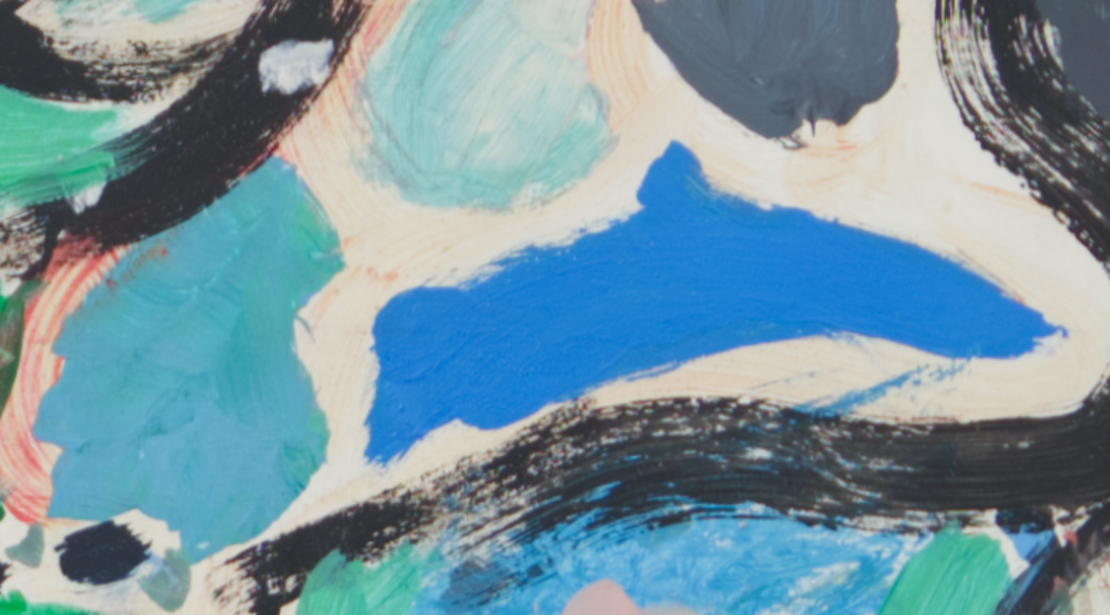
Detailed image of panel 3 after treatment.
Before transport, the most fragile areas were temporarily secured using lightweight facing tissues. Once in the conservation studio, the mural’s five timber panels were carefully documented and treated. Cleaning was undertaken in stages, beginning with dry methods and followed by controlled wet cleaning using deionised water, designed to remove accumulated dirt while safeguarding the sensitive paint surface. Areas of flaking paint were consolidated with conservation-grade adhesives and gently flattened, in some cases with the controlled application of heat to relax curled paint layers. Structural repairs were also required: splits in the timber supports were stabilised, and small losses were filled and retouched to reintegrate the image visually.
The deinstallation also revealed new dimensions of the artwork’s story. For the first time, the verso of the panels could be examined in detail, uncovering previously hidden painted surfaces. While these works are not attributed to Mirka Mora, they suggest that the boards may have been repurposed materials, possibly contributed from within the local community. This discovery adds another layer to the mural’s history, reinforcing its origins as a collaborative, resourceful, and community-driven project.
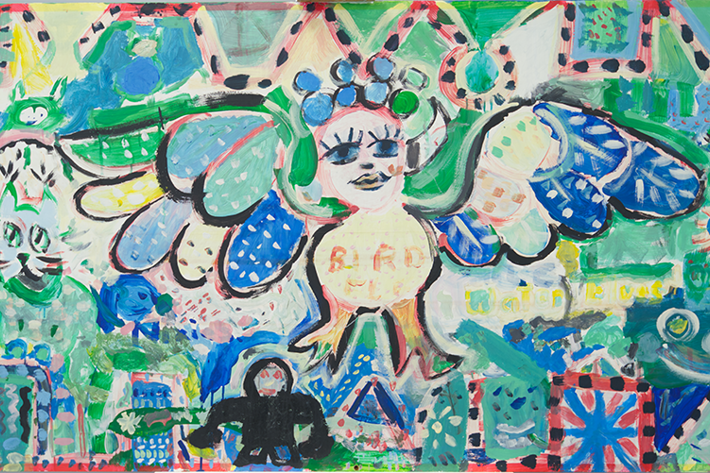
Detail of the recto layer of the Mirka Mora Children's Mural.
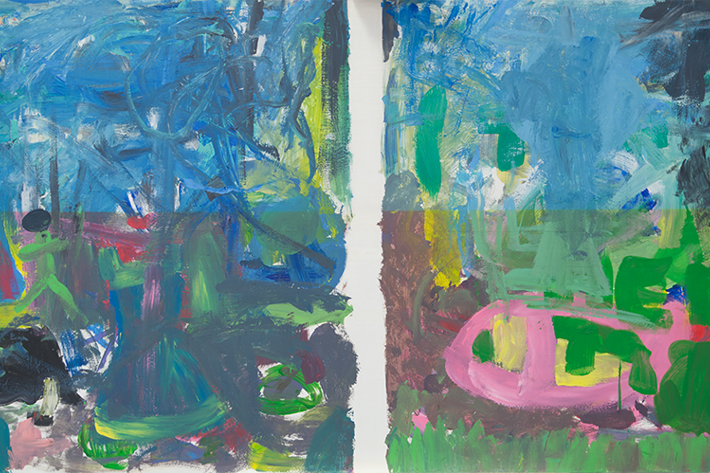
Detail of the verso layer of the Mirka Mora Children's Mural.
A key outcome of the conservation project is the improved housing and display of the mural. The previous aluminium frame added decades after installation has been removed to reveal the original panel edges, including early fixing points and areas of unfaded colour. This decision restores a more authentic presentation and highlights the mural’s origins as a participatory artwork rather than a conventionally framed painting.
To protect the mural into the future, a custom-designed vitrine system has been developed. The panels will be mounted on a stable wood frame with backing board using padded supports that minimise stress on the structure while allowing space to preserve the verso surfaces. An enclosing acrylic glazing system will act as a protective barrier against dust, handling, and environmental fluctuations, while also filtering harmful ultraviolet light.
Together, these measures create an environmental buffer that significantly reduces the risks of further deterioration.

The final section of the Mirka Mora Children's Mural being installed with its custom-designed vitrine system.

Detailed image of the Mirka Mora Children's Mural.
This project not only ensures the physical stability of the mural but also deepens our understanding of its material and social history. Through conservation, documentation, and improved housing, the Children’s Mural can continue to be experienced as both a work of art and a record of community creativity. The inclusion of detailed images showing the verso, surface condition, and conservation treatments offers visitors a closer look at the processes involved in caring for the City of Port Phillip’s collection, and the ongoing commitment to its preservation.
Mirka Mora Children's Mural is a part of the Port Phillip City Collection pp1997.71.327